
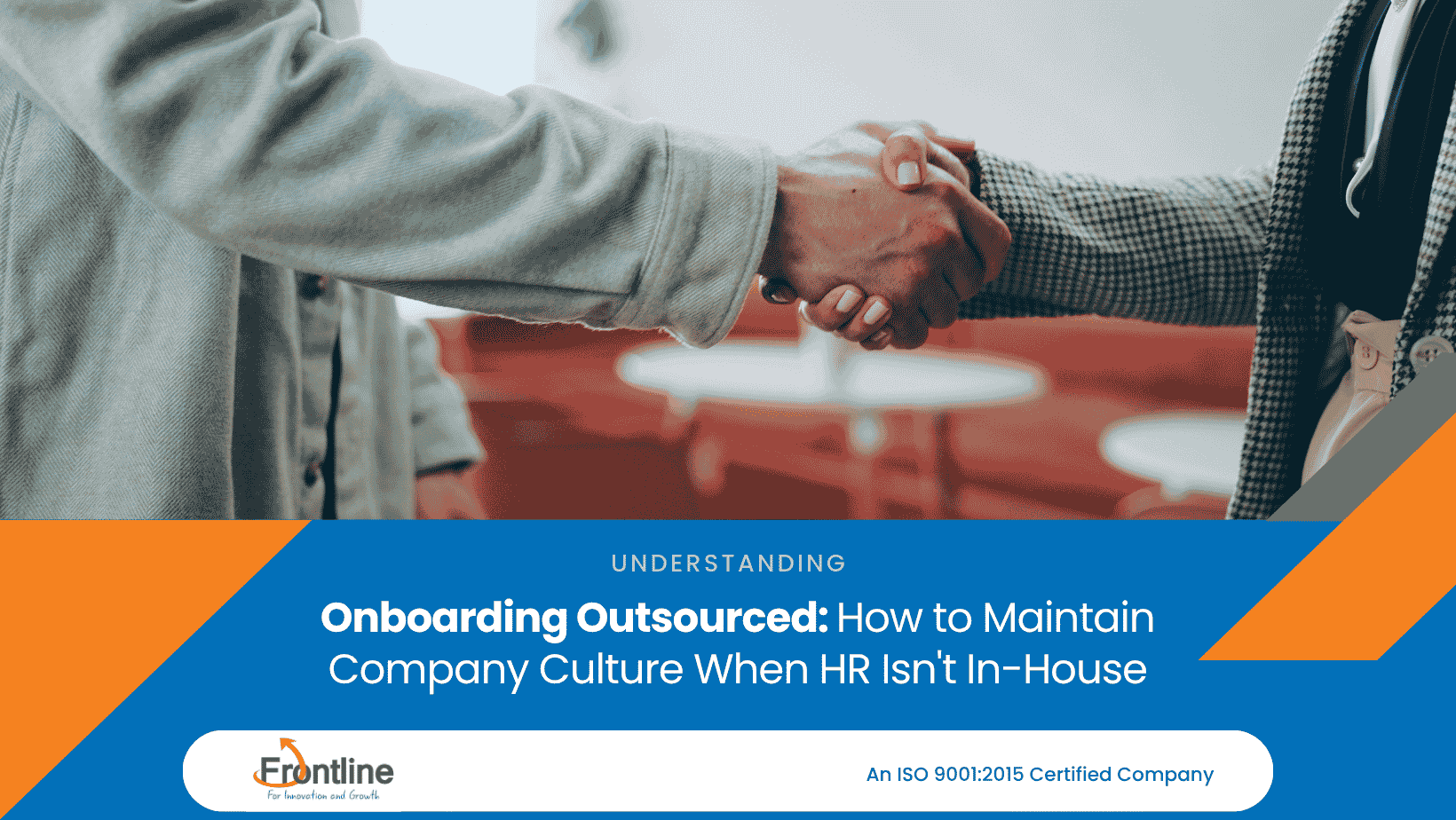
Employee onboarding is one of the most influential stages in the employee lifecycle. It shapes first impressions, establishes expectations, and lays the foundation for long-term engagement and productivity. As more businesses choose to outsource HR functions, a common concern arises: Can company culture remain strong when HR isn’t managed internally?
The answer is yes, but only with the right strategy.
Outsourcing HR allows organizations to gain access to experienced professionals, reduce administrative workload, and improve compliance. However, onboarding should never become a transactional process. Every new employee should still experience the values, purpose, and personality that define the organization.
In this guide, we explore how businesses can successfully maintain their company culture while outsourcing HR onboarding, ensuring every new hire feels connected from day one.
Table of Contents
Why Company Culture Matters During Onboarding
Company culture is more than office traditions or social events. It represents how people work together, communicate, solve problems, and make decisions. Employees who understand and embrace the culture are more likely to perform well, collaborate effectively, and remain with the organization.
The onboarding process introduces new employees to:
- Organizational values
- Leadership expectations
- Communication styles
- Decision-making processes
- Performance standards
- Workplace behaviors
- Customer service philosophy
Without a structured cultural introduction, employees may understand their job responsibilities but struggle to understand how work is done within the organization.
When HR is outsourced, maintaining this cultural connection becomes even more important.
The Growing Trend of Outsourced HR
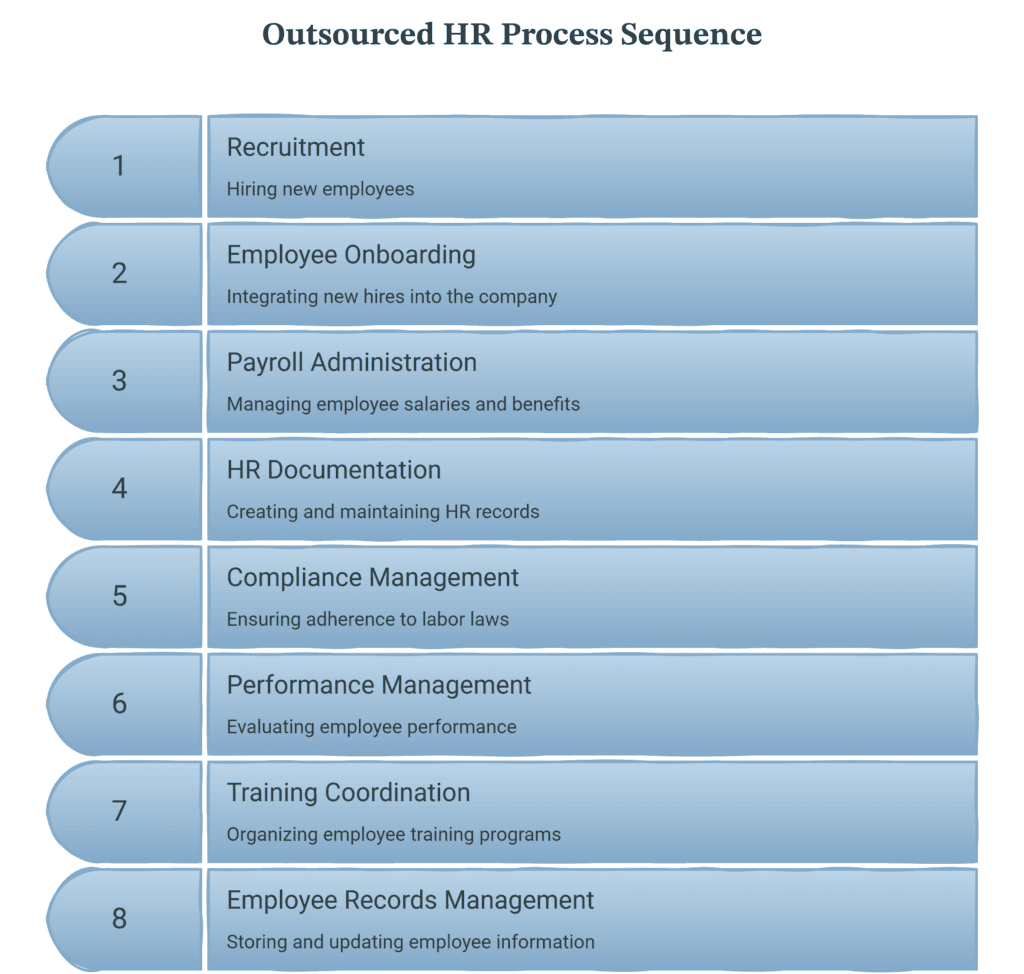
Businesses of all sizes increasingly outsource HR to improve efficiency and gain specialized expertise.
Common outsourced HR services include:
- Recruitment
- Employee onboarding
- Payroll administration
- HR documentation
- Compliance management
- Performance management
- Training coordination
- Employee records management
While these services improve operational efficiency, the outsourced HR partner should function as an extension of the business rather than an external administrator.
The onboarding experience should always feel consistent with the organization’s identity.
Build a Culture-First Onboarding Framework
A successful onboarding program begins long before a new employee’s first working day.
Organizations should clearly document their:
- Mission
- Vision
- Core values
- Leadership principles
- Customer commitment
- Communication expectations
- Team collaboration practices
These elements should be integrated into every onboarding activity.
Instead of focusing only on policies and procedures, onboarding should explain how these values influence everyday decisions and interactions.
When HR providers understand these cultural foundations, they can communicate them consistently throughout the onboarding journey.
Treat Your HR Partner as an Extension of Your Organization
An outsourced HR provider should never operate independently from the company’s identity.
Regular collaboration between leadership and the HR partner helps ensure consistency.
This includes sharing:
- Business objectives
- Organizational updates
- Leadership expectations
- Cultural initiatives
- Employee engagement activities
- Internal communication guidelines
The more familiar the HR partner becomes with the organization, the more naturally they can represent the company’s culture.
Employees should feel they are interacting with members of the organization, not an external service provider.
Customize Every Stage of the Employee Journey
Generic onboarding rarely creates meaningful employee engagement.
Each onboarding program should reflect the organization’s unique identity.
Customized onboarding may include:
Personalized Welcome Messages
A welcome message from senior leadership helps establish an immediate connection with the organization.
Instead of focusing only on job responsibilities, leadership can share:
- The company’s purpose
- Business goals
- Customer impact
- Future vision
This creates emotional engagement from the beginning.
Company Storytelling
Every organization has a story.
Sharing the company’s journey helps new employees understand why the business exists and where it is heading.
Topics may include:
- Founding history
- Key milestones
- Business growth
- Customer success stories
- Organizational achievements
Stories help employees feel part of something larger than their individual role.
Culture Handbook
Rather than distributing only policy manuals, organizations should provide a culture guide covering:
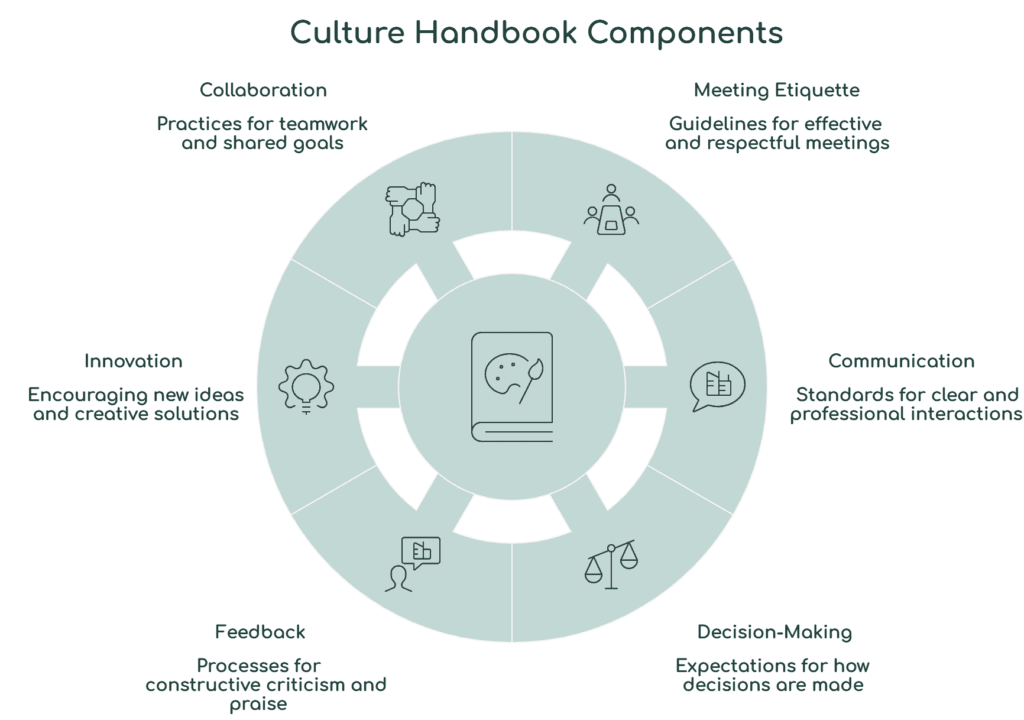
- How meetings are conducted
- Communication etiquette
- Decision-making expectations
- Feedback culture
- Innovation mindset
- Collaboration practices
This helps employees understand behavioral expectations beyond written policies.
Involve Managers Throughout Onboarding
Managers have one of the strongest influences on employee experience.
Even with outsourced HR, managers should remain actively involved throughout onboarding.
Managers should:
- Conduct regular check-ins
- Introduce team members
- Clarify expectations
- Provide coaching
- Explain department goals
- Offer constructive feedback
Employees often build their understanding of company culture through their immediate supervisors.
Manager involvement reinforces organizational values far more effectively than documentation alone.
Assign Workplace Mentors
Mentorship accelerates cultural integration.
Assigning a workplace mentor gives new employees a trusted resource for everyday questions and informal guidance.
Mentors can help employees understand:
- Workplace norms
- Team dynamics
- Internal communication
- Collaboration styles
- Problem-solving approaches
These informal interactions often strengthen cultural understanding more effectively than formal training sessions.
Use Technology Without Losing the Human Connection
Digital onboarding platforms improve efficiency by automating paperwork, document collection, compliance tracking, and training assignments.
However, automation should never replace human interaction.
Balance technology with:
- Live welcome sessions
- Team introductions
- Virtual coffee meetings
- Leadership presentations
- Interactive discussions
- Department walkthroughs
Technology should simplify administration while preserving meaningful employee engagement.
Create Consistent Communication Channels
New employees often judge organizational culture through communication.
Consistent communication builds confidence and trust.
Organizations should establish clear communication practices including:
- Weekly check-ins
- Team meetings
- Leadership updates
- Feedback sessions
- Internal newsletters
- Employee recognition programs
When outsourced HR follows these communication standards, new employees experience continuity across every interaction.
Gather Employee Feedback Early
Continuous improvement requires listening.
New employees provide valuable insights because they experience onboarding with fresh perspectives.
Organizations should collect feedback after:
- Week One
- Month One
- Month Three
- Completion of probation
Feedback may focus on:
- Clarity of information
- Cultural understanding
- Manager support
- Training effectiveness
- Communication quality
- Overall onboarding experience
Regular evaluation helps identify opportunities for improvement before challenges become recurring issues.
Maintain Leadership Visibility
Employees connect with organizations through leaders.
Leadership involvement reinforces organizational values and creates stronger engagement.
Executives should participate in onboarding by:
- Delivering welcome presentations
- Sharing company vision
- Discussing future goals
- Answering employee questions
- Recognizing new hires
Even brief interactions demonstrate accessibility and strengthen cultural alignment.
Measure Cultural Success Alongside Operational Success
Successful onboarding extends beyond completing documentation.
Organizations should measure outcomes such as:
- Employee engagement
- Retention rates
- Time to productivity
- Manager satisfaction
- Employee feedback scores
- Internal collaboration
- Training completion
- Performance milestones
These indicators reveal whether employees are integrating into both the business and its culture.
Common Mistakes When Outsourcing HR Onboarding
Organizations often weaken their onboarding experience by making avoidable mistakes.
Common examples include:
Treating onboarding as paperwork
Documentation is essential, but it should never become the primary focus.
Failing to communicate company values
Employees need to understand not only what they do, but how they are expected to work.
Minimal leadership involvement
Without visible leadership, employees may struggle to connect with the organization.
Generic onboarding materials
Templates save time but rarely reflect an organization’s unique identity.
Limited collaboration with the HR provider
Outsourced HR partners require regular communication to accurately represent company culture.
The Long-Term Benefits of Culture-Focused Outsourced Onboarding
Organizations that successfully combine outsourced HR with strong cultural integration often experience:
- Higher employee retention
- Improved engagement
- Faster productivity
- Better collaboration
- Greater employee satisfaction
- Consistent employer branding
- Stronger customer experiences
- Reduced turnover costs
Employees who understand both their responsibilities and the organization’s values contribute more confidently and remain committed for longer.
Conclusion
Outsourcing HR does not mean outsourcing your company’s identity. The most successful organizations recognize that while administrative responsibilities can be delegated, company culture remains a leadership responsibility. By working closely with an experienced HR partner, involving managers, maintaining open communication, and embedding organizational values into every stage of onboarding, businesses can create a welcoming experience that feels authentic and consistent.
A well-designed onboarding process helps new employees become productive while building a genuine connection with the organization’s purpose, people, and culture. When HR outsourcing is approached as a partnership rather than a handoff, businesses can enjoy operational efficiency without compromising the employee experience.
For organizations looking to strengthen their onboarding process while preserving a strong workplace culture, Frontline Consult provides practical HR outsourcing and onboarding solutions designed to support both business goals and employee success.
174 views