
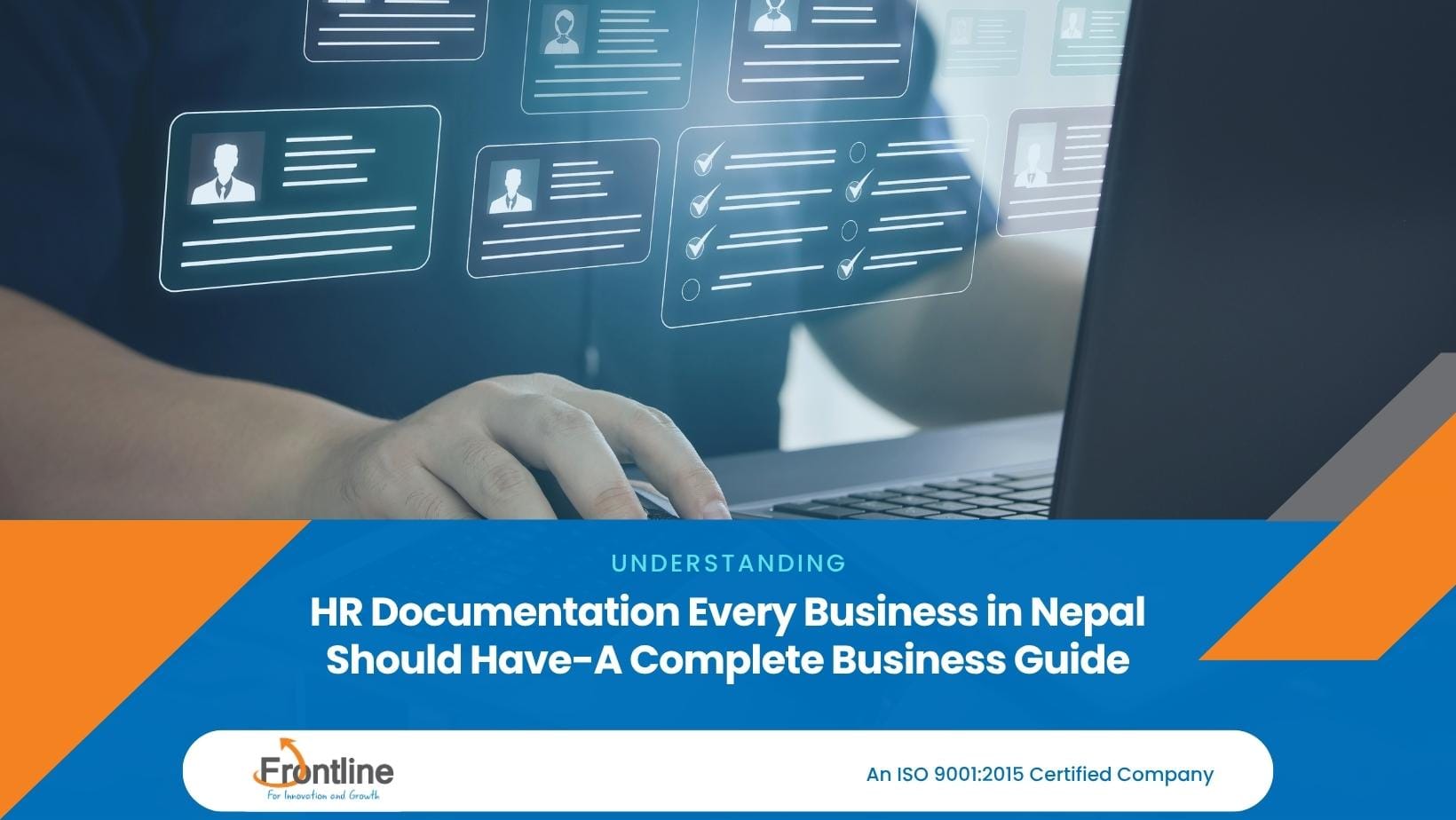
HR Documentation Every Business in Nepal Should Have
Today organizations in Nepal are under increasing pressure to maintain compliance, manage employees effectively, and build strong workplace cultures. Regardless of whether a company employs ten people or a thousand, proper HR documentation serves as the foundation of effective human resource management.
Many businesses focus heavily on recruitment and operations while overlooking the importance of maintaining structured HR documents. The absence of proper documentation can lead to compliance issues, employee disputes, inconsistent decision-making, and operational inefficiencies.
A well-documented HR system helps businesses create transparency, reduce risks, improve employee experience, and establish clear workplace standards. Every organization in Nepal should have a comprehensive set of HR documents that support both business growth and legal compliance.
Table of Contents
Why HR Documentation Matters for Businesses in Nepal
HR documentation is much more than paperwork. It provides a structured framework that guides employee management throughout the entire employee lifecycle, from hiring to separation.
Effective HR documentation helps organizations:
- Ensure consistency in decision-making
- Reduce legal and compliance risks
- Improve employee accountability
- Create transparency in workplace policies
- Enhance organizational professionalism
- Support performance management initiatives
- Facilitate business growth and scalability
- Strengthen employer branding
As Nepal’s labor market becomes increasingly competitive and regulated, businesses must establish clear HR systems supported by documented policies and procedures.
Employee Handbook
An employee handbook is one of the most important HR documents any organization can maintain.
This document serves as a central reference guide for employees and outlines the company’s expectations, workplace standards, and policies.
A comprehensive employee handbook should include:
Company Overview
- Vision and mission
- Organizational values
- Company culture
- Business objectives
Employment Policies
- Working hours
- Attendance requirements
- Leave provisions
- Probation period guidelines
- Employment classifications
Code of Conduct
- Professional behavior standards
- Workplace ethics
- Confidentiality requirements
- Anti-harassment policies
- Disciplinary procedures
Employee Benefits
- Salary policies
- Insurance benefits
- Incentive programs
- Retirement provisions
- Additional employee perks
A properly developed employee handbook ensures every employee understands organizational expectations from the first day of employment.
Employment Contracts
Every business in Nepal should maintain legally compliant employment contracts for all employees.
Employment contracts establish a formal relationship between the employer and employee while clearly defining responsibilities, rights, and obligations.
Key elements include:
- Employee designation
- Job responsibilities
- Compensation structure
- Benefits and allowances
- Working hours
- Probation conditions
- Notice period requirements
- Confidentiality clauses
- Termination conditions
Employment contracts provide legal protection for both employers and employees and help prevent misunderstandings regarding employment terms.
Job Descriptions
Many organizations struggle with role clarity because they lack properly documented job descriptions.
A job description provides a clear understanding of the responsibilities, expectations, and reporting relationships associated with a position.
An effective job description should contain:
Position Information
- Job title
- Department
- Reporting manager
- Location
Primary Responsibilities
- Key duties
- Operational responsibilities
- Decision-making authority
Required Qualifications
- Educational background
- Experience requirements
- Technical competencies
- Behavioral competencies
Performance Expectations
- Key performance indicators
- Success criteria
- Expected outcomes
Well-defined job descriptions improve recruitment accuracy, employee accountability, and performance management effectiveness.
HR Policies and Procedures Manual
A comprehensive HR policy manual establishes standardized processes across the organization.
Without documented policies, managers often make inconsistent decisions that create employee dissatisfaction and potential compliance concerns.
Essential HR policies include:
Leave Policy
- Annual leave
- Sick leave
- Maternity leave
- Paternity leave
- Special leave provisions
Attendance Policy
- Working hours
- Late arrival procedures
- Overtime guidelines
- Shift schedules
Disciplinary Policy
- Warning procedures
- Investigation protocols
- Corrective action processes
Remote Work Policy
- Work-from-home guidelines
- Technology requirements
- Communication expectations
Data Privacy Policy
- Employee data handling
- Confidentiality measures
- Information security requirements
Standardized policies ensure fairness and consistency throughout the organization.
Performance Management Documentation
High-performing organizations rely on structured performance management systems supported by clear documentation.
Performance documentation creates accountability while helping employees understand performance expectations and career development opportunities.
Key performance documents include:
Performance Appraisal Forms
- Goal achievement assessment
- Competency evaluation
- Development planning
Key Performance Indicators (KPIs)
- Individual objectives
- Department goals
- Measurement criteria
Performance Improvement Plans (PIPs)
- Identified performance gaps
- Improvement objectives
- Timelines and support measures
Goal Setting Templates
- Annual objectives
- Quarterly targets
- Development goals
Documented performance systems improve productivity and support employee growth.
Recruitment and Selection Documents
Recruitment documentation helps businesses maintain consistency in hiring decisions and improve candidate experience.
Important recruitment documents include:
- Recruitment requisition forms
- Interview evaluation sheets
- Candidate assessment templates
- Reference check forms
- Offer letters
- Onboarding checklists
These documents create a structured hiring process that reduces bias and improves recruitment outcomes.
Employee Onboarding Documentation
A strong onboarding process begins with proper documentation.
Onboarding documents help new employees integrate into the organization quickly and effectively.
Essential onboarding documentation includes:
New Employee Information Forms
- Personal details
- Emergency contacts
- Banking information
Induction Checklists
- Orientation sessions
- Department introductions
- System access setup
Acknowledgement Forms
- Policy acceptance
- Code of conduct acknowledgment
- Confidentiality agreements
Well-organized onboarding documentation contributes to improved employee retention and engagement.
Compensation and Benefits Documentation
Compensation transparency plays a critical role in employee satisfaction and organizational trust.
Businesses should maintain documented compensation structures that clearly define:
- Salary grades
- Pay scales
- Increment policies
- Bonus criteria
- Incentive frameworks
- Allowance structures
Clear compensation documentation minimizes confusion and supports equitable reward systems.
Training and Development Records
Employee development initiatives should be supported by structured documentation.
Training documentation helps organizations monitor employee growth and evaluate the effectiveness of learning programs.
Key documents include:
- Training needs assessments
- Learning plans
- Workshop attendance records
- Certification records
- Competency assessments
- Development tracking forms
These records contribute to workforce capability building and succession planning efforts.
Health, Safety, and Workplace Compliance Documents
Organizations have a responsibility to provide a safe and healthy work environment.
Workplace safety documentation should include:
Health and Safety Policies
- Safety procedures
- Emergency response plans
- Workplace hazard reporting
Incident Reporting Forms
- Accident reports
- Near-miss reporting
- Investigation findings
Emergency Preparedness Documentation
- Evacuation procedures
- Emergency contact lists
- Business continuity guidelines
Proper documentation helps organizations manage risks and demonstrate commitment to employee well-being.
Employee Grievance and Dispute Resolution Documentation
A structured grievance management process requires documented procedures and records.
Important documents include:
- Grievance submission forms
- Investigation reports
- Resolution records
- Mediation documentation
- Corrective action reports
Proper grievance documentation promotes fairness and transparency while protecting organizational integrity.
Employee Separation Documentation
The employee lifecycle does not end with recruitment. Proper documentation during employee separation is equally important.
Essential separation documents include:
Resignation Acceptance Letters
- Confirmation of resignation
- Notice period details
Exit Interview Forms
- Employee feedback
- Retention insights
Clearance Checklists
- Asset return verification
- Department approvals
Final Settlement Documentation
- Salary settlement
- Benefits reconciliation
- Legal compliance records
Well-managed separation processes help maintain positive employer branding and reduce organizational risks.
Digital HR Documentation and Record Management
Modern businesses in Nepal are increasingly adopting digital HR systems to improve efficiency and accessibility.
Digital documentation provides several advantages:
- Faster document retrieval
- Enhanced data security
- Reduced paperwork
- Better compliance tracking
- Improved reporting capabilities
- Easier audit preparation
Organizations should implement secure HR document management practices that ensure confidentiality and compliance while supporting business growth.
Building a Strong HR Foundation Through Proper Documentation
HR documentation is not simply an administrative requirement. It is a strategic business asset that supports compliance, improves employee management, strengthens organizational culture, and drives sustainable growth.
Businesses in Nepal that invest in comprehensive HR documentation are better positioned to attract talent, manage performance, reduce risks, and scale effectively. From employment contracts and HR policies to performance management systems and separation procedures, every document plays a vital role in creating a professional and well-governed workplace.
Partner with Frontline Consult for Professional HR Consulting Services
Developing effective HR documentation requires expertise, legal awareness, and a deep understanding of organizational needs. At Frontline Consult, we help businesses across Nepal design, implement, and optimize comprehensive HR systems that support long-term success.
Our HR consulting services include:
- HR policy development
- Employee handbook creation
- Performance Management System (PMS) implementation
- Organizational structure design
- Job description development
- Recruitment process optimization
- HR compliance support
- Employee engagement strategies
- HR audits and process improvement
Whether you are a growing startup, SME, or established enterprise, Frontline Consult can help you build a robust HR framework that aligns with your business goals and supports sustainable growth.
Contact Frontline Consult today to strengthen your HR foundation with professional HR consulting solutions tailored to Nepal’s evolving business landscape.
161 views