
Table of Contents
Performance Evaluations in Nepal
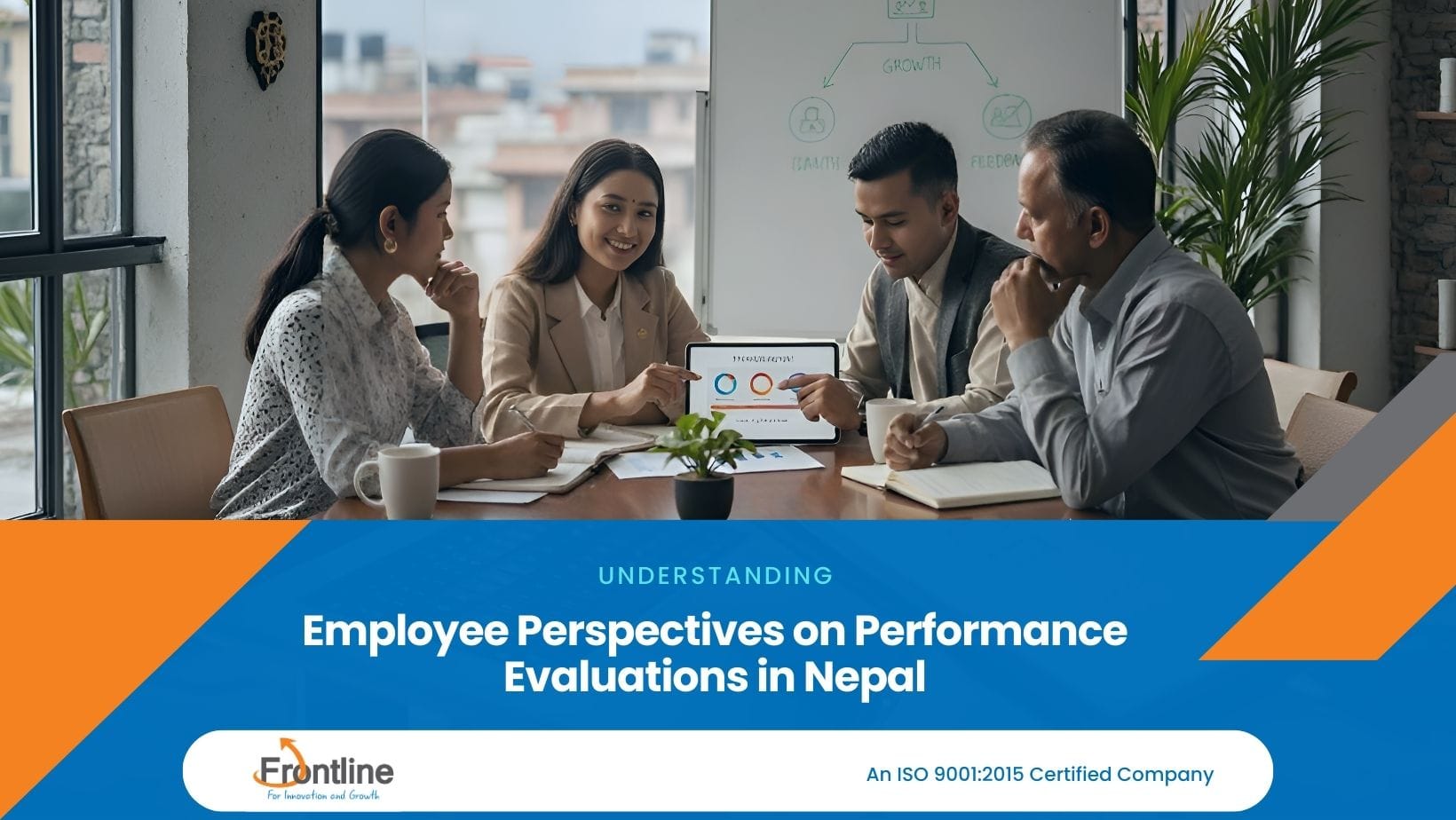
Performance evaluations shape how teams understand their roles. In Nepal, this process carries social, cultural, and organisational meaning that goes beyond annual reviews. When employees believe evaluations are fair, overall morale rises and thereby, productivity improves. When the system feels unclear or biased, trust decreases and turnover increases.
As organisations across Nepal invest more in structured HR practices, it has become essential to understand how employees see these evaluations and what they expect from them.
Why Employee Perception Matters in Nepali Workplaces
Employee perception influences whether performance evaluations feel like an opportunity or a burden. In many Nepali workplaces, staff members still take evaluations with criticism rather than constructive guidance. A structured evaluation system helps shift this mindset, but employees need clarity on what’s measured, what’s expected, while seeing real results.
When employees feel heard and respected throughout the process, they are more willing to set goals, accept feedback, and commit to development plans. For employers, this translates into better engagement and lower turnover.
Key Factors That Shape Employee Views on Performance Evaluations
1. Trust in the Evaluation System
Employees in Nepal often express concerns about fairness. Many want assurance that ratings are based on clear indicators, not personal preferences.
Factors that build trust include:
- Objective standards that apply to everyone
- Consistent guidelines across departments
- Feedback supported by evidence rather than assumptions
- A simple process that avoids unnecessary complexity
When trust increases, employees see evaluations as a fair measure of their contribution.
2. Clarity on Goals and Expectations
A common concern is unclear job expectations. Employees appreciate performance evaluations when they know exactly what they are being assessed on.
Clear goals help employees:
- Understand priorities
- Track their progress
- Prepare for reviews with confidence
- Align their work with organisational objectives
When expectations remain vague, evaluations feel uncertain and discouraging.
3. Quality of Manager Feedback
Feedback style strongly shapes employee experience. Nepali employees tend to prefer feedback that is:
- Respectful
- Direct
- Specific
- Actionable
They respond well when managers listen actively and explain how observations connect to future improvement, rather than focusing only on shortcomings.
4. Transparency About Ratings and Promotion Decisions
Employees want to know how ratings translate into opportunities. When organisations hide rating systems or avoid explaining promotion criteria, employees lose motivation.
Transparency helps employees understand:
- How ratings affect compensation
- Why some employees receive promotions
- How they can improve in the next cycle
Openness removes unnecessary confusion and builds accountability.
The Cultural Context of Evaluations in Nepal
Nepal’s workplace culture blends tradition and modern HR practices. Employees often value respectful communication and balanced criticism. They may hesitate to disagree openly with their managers, which affects how they interpret evaluation feedback.
Understanding cultural distinction helps organisations design evaluations that feel supportive rather than intimidating. For instance:
- A collaborative tone encourages honest dialogue
- Managers who show patience and understanding gain trust
- Employees feel safer when criticism is balanced with recognition
These cultural insights help organisations create evaluation systems that employees appreciate.
Common Challenges Employees Experience During Evaluations
Fear of Negative Judgement
Many employees worry that one review could define their entire standing in the organisation. This fear often comes from past experiences where evaluations were used only to point out mistakes. Employees value systems that focus equally on strengths and growth areas.
Inadequate Follow-Up After the Review
Employees often report that discussions during evaluations do not translate into real development support. They expect:
- Clear action points
- Training opportunities
- Regular check-ins
- Mentoring when needed
Without follow-up, evaluations feel like a formality.
Limited Participation in Setting Goals
Employees feel more ownership when they help define their own goals. When goals are assigned without consultation, evaluations feel one-sided and less motivating.
Bias and Favouritism Concerns
Perceived bias remains a major challenge in many organisations. Employees prefer:
- Transparent scoring
- Written feedback
- Decisions backed by examples
- Involvement of more than one reviewer where possible
These practices reduce bias and strengthen credibility.
What Employees Expect From a Modern Evaluation Process in Nepal
A System That Encourages Growth
Employees want evaluations that support long-term development, not just short-term measurement. They appreciate when organisations provide:
- Skills development plans
- Opportunities for learning
- Coaching or mentoring
- Clear paths for advancement
Growth-oriented evaluations make employees feel valued.
Regular Feedback Instead of Yearly Reviews
More organisations in Nepal are shifting toward continuous feedback. Employees prefer ongoing conversations because they:
- Help them adjust their work early
- Build stronger relationships with managers
- Reduce the stress of annual reviews
Short, meaningful check-ins throughout the year make evaluations more effective.
Fairness and Recognition
Employees want their hard work to be acknowledged. Recognition improves morale and motivates teams to maintain high performance. When combined with fair and well-explained ratings, employees feel confident in the process.
How Organisations Can Strengthen Employee Perception of Evaluations
1. Train Managers on Giving Feedback
Managers play a central role in shaping employee experience. Training helps them:
- Communicate with clarity
- Provide balanced assessment
- Address concerns professionally
- Support employees in setting realistic goals
Effective managers improve the overall perception of the evaluation system.
2. Use Clear, Measurable Indicators
Organisations should build evaluation frameworks with:
- Defined job expectations
- Measurable criteria
- Role-specific competencies
- Evidence-based scoring
Clear indicators reduce confusion and ensure consistency.
3. Involve Employees in the Process
When employees participate in goal-setting, development planning, and feedback discussions, they feel respected and engaged.
Participation increases ownership and reduces resistance.
4. Provide Real Development Support
Evaluations become meaningful only when followed by action. Organisations should offer:
- Skills training
- Leadership development
- Improvement plans
- Opportunities for stretch assignments
This support reassures employees that evaluations exist for their benefit.
5. Encourage Open Communication
A supportive work environment encourages honest conversations. Employees appreciate when organisations create safe spaces for sharing challenges, expectations, and feedback from both sides.
The Future of Performance Evaluations in Nepal
As Nepali organisations grow and adopt more structured HR systems, employee expectations are evolving. They want evaluations that are fair, helpful, and connected to real development.
Forward-thinking organisations are moving toward:
- Continuous performance management
- Technology-supported evaluation tools
- Competency-based assessment systems
- More transparent and participatory approaches
These changes help organisations retain talent, build capability, and strengthen their culture.
359 views