
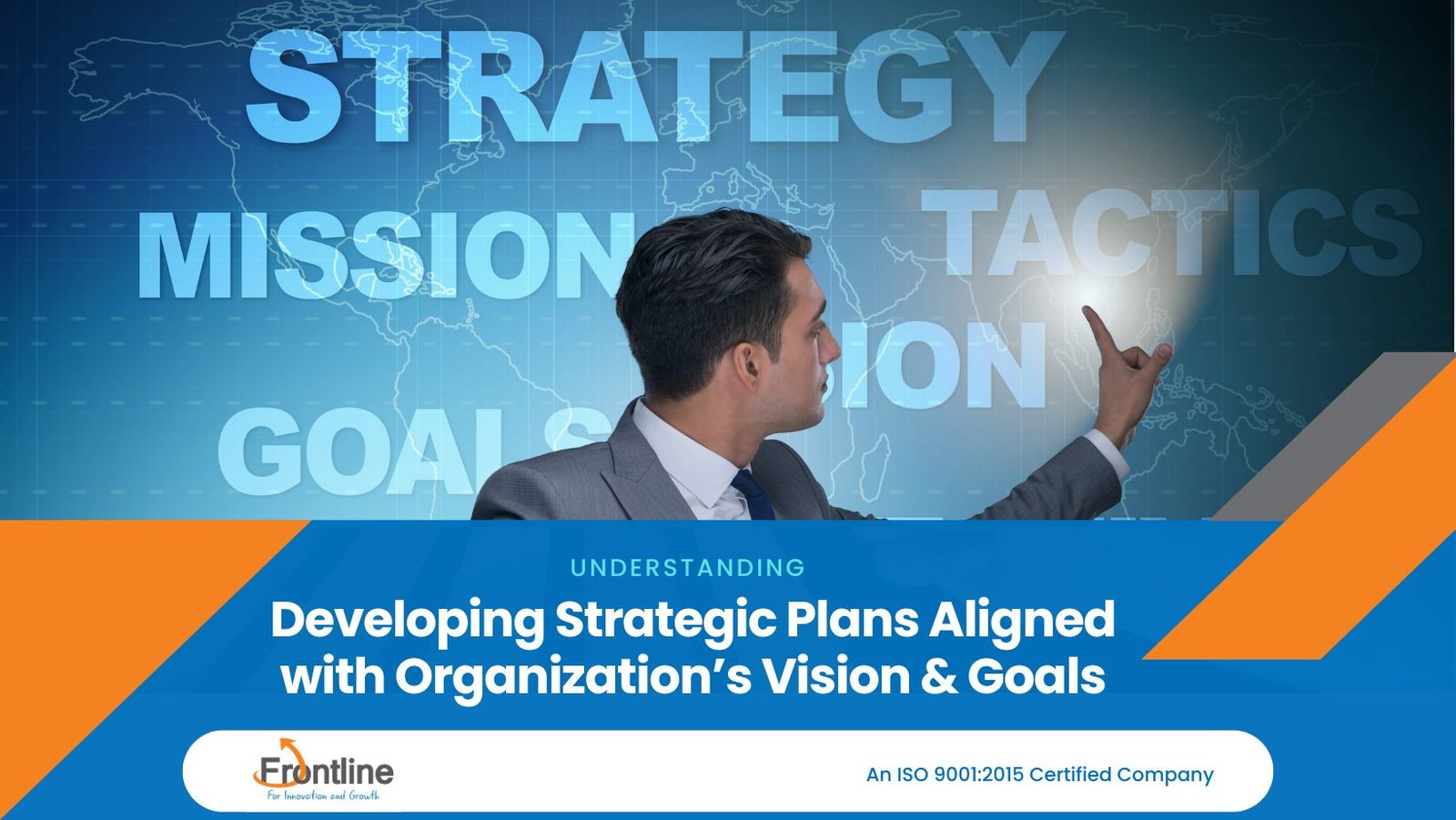
Introduction to Developing Strategic Plans
A vision without a plan stays a vision. Most organizations can describe where they want to go. Far fewer can describe, in specific and measurable terms, how they intend to get there. That gap between ambition and execution is where strategic planning earns its value.
In practice, this gap is common. Organizations frequently invest time and effort into defining a strong vision, only to see it lose momentum once daily operations take over. The problem is rarely a lack of ambition. It is usually a lack of structure.
This article walks through the strategic planning process step by step, explains where organizations most often lose momentum, and shows how a disciplined approach turns broad goals into a plan a team can actually execute. Frontline Consult works with organizations across Nepal on this exact process through its strategy and business transformation services, helping leadership teams build plans that hold up once the retreat ends and the daily work resumes.
Table of Contents
Why Strategic Plans Fail to Deliver Results
Before outlining what an effective process looks like, it is worth understanding why so many strategic plans stall. A few patterns show up consistently across organizations, regardless of size or sector.
- The plan lives in a document, not in daily decisions. A lengthy strategy document that sits in a shared drive does not change behavior. When employees cannot describe the organization’s strategy in their own words, consistent execution becomes close to impossible.
- Goals are inspirational but not measurable. Statements like “become a market leader” sound compelling but give teams nothing to act on. Without specific, time-bound targets, progress cannot be tracked.
- Resources are spread across too many initiatives. Organizations that try to pursue every opportunity at once dilute the impact of each one.
- There is no mechanism to review and adjust. Markets, regulations, and customer expectations change. A plan that cannot adapt becomes outdated within a year.
Each of these failure points has a corresponding fix, and that fix is built into a properly structured planning process.
The Strategic Planning Process: A Step-by-Step Framework
Setting Clear Organizational Vision and Goals
At Frontline Consult, we believe that the foundation of any strategic plan is a clear vision and well-defined goals. We work closely with our clients to communicate a vision that represents the future state they aspire to reach. Together, we establish specific, inspirational, yet attainable goals that serve as milestones on the journey toward that vision.
Conducting Comprehensive SWOT Analysis
Understanding the current standing of an organization is important for effective strategic planning. Our team conducts a thorough SWOT analysis. This helps to identify strengths, weaknesses, opportunities, and threats of the organization. This analysis provides a realistic and comprehensive picture, enabling informed decision-making for future strategies.
Developing Actionable Strategies
Once the vision and goals are clear, and the SWOT analysis is complete, Frontline Consult helps clients develop actionable strategies. Our strategies are designed to leverage strengths, address weaknesses, capitalize on opportunities, and mitigate threats. Each strategy is crafted to be specific, measurable, achievable, relevant, and time-bound (SMART).
Prioritizing Initiatives and Resources
We understand that not all strategies can be implemented simultaneously. Frontline Consult assists in prioritizing initiatives based on their potential impact and the resources available. This approach ensures that the most critical and beneficial strategies are executed first, maximizing the chances of success.
Implementing the Strategic Plan
A well-crafted plan requires effective implementation. Frontline Consult provides guidance in assigning responsibilities, setting timelines, and allocating resources. We ensure that everyone involved understands their role and what is expected of them. Regular check-ins and updates help keep the implementation on track and address any issues promptly.
Monitoring and Evaluating Progress
Continuous monitoring and evaluation are integral to our approach. Frontline Consult sets up key performance indicators (KPIs) to measure progress toward goals. We regularly review these KPIs to determine if the strategies are effective or if adjustments are needed. This process allows for agility and responsiveness to changes.
Adapting to Changes and Making Adjustments
The business environment is dynamic, and strategic plans must be flexible. Frontline Consult ensures that plans are not static. We are prepared to adapt and make necessary adjustments to keep the organization relevant and able to overcome unforeseen challenges.
Ensuring Stakeholder Engagement
Engaging stakeholders is important for successful strategic planning. Frontline Consult involves stakeholders throughout the process, seeking their input and feedback. This approach provides valuable insights and fosters a sense of ownership and commitment. Stakeholder engagement ensures that the plan aligns with the needs and expectations of those it impacts.
Communicating the Strategic Plan
Effective communication is key to the success of any strategic plan. Frontline Consult helps clients clearly communicate their vision, goals, and strategies to all members of the organization. This ensures that everyone is on the same page and working towards common objectives.
Common Mistakes in Strategic Plan Development
Even organizations that follow a structured process can undermine their own plans through a few recurring mistakes:
- Treating strategic planning as an annual event rather than an ongoing discipline with regular check-ins.
- Setting goals without assigning accountability, which leaves no one responsible when progress stalls.
- Skipping the situational analysis and moving straight to strategy formulation, which often produces plans disconnected from actual organizational capacity.
- Failing to link strategy to budget, so initiatives are approved on paper but never funded.
- Measuring activity instead of outcomes, tracking whether tasks were completed rather than whether goals were actually met.
How Frontline Consult Supports the Process
Frontline Consult has worked with organizations across Nepal to build strategic plans that hold up beyond the planning session itself. Through its strategy and business transformation services, the firm supports each stage of the process outlined above: clarifying vision and goals, conducting SWOT and situational analysis, developing SMART strategies, building implementation roadmaps, and establishing the KPI systems needed to track progress over time.
Because strategic plans succeed or fail based on how well they are embedded in day-to-day operations, Frontline Consult also works with clients on organizational alignment so that structure, roles, and communication support the strategy rather than working against it. Organizations considering a formal strategic planning engagement can review the full scope of strategy and business transformation support Frontline Consult provides.
Conclusion
In today’s dynamic business environment, developing strategic plans aligned with your organization’s vision and goals is more important than ever. It transforms visionary goals from mere aspirations into tangible achievements. Through careful assessment, goal setting, strategy formulation, and execution, strategic planning provides a clear roadmap for sustainable success.
Frontline Consult is dedicated to helping organizations develop strategic plans aligned with their vision and goals. Our comprehensive approach ensures clear direction, thorough analysis, actionable strategies, and continuous evaluation. With our expertise, we can help organizations to confidently navigate their path to long-term success.
You may also like:
1115 views