
Introduction to Competency Mapping and Leadership Development
Strong organizations are not built by accident. They are built by people who know what good leadership looks like and who invest in developing it intentionally. At the heart of this process lies a practice that many HR professionals consider foundational: competency mapping.
When done well, competency mapping does not just describe what leaders should be able to do. It creates a shared language across the organization, one that connects individual growth to business goals. In this blog, we explore how competency mapping and leadership development work together, and why organizations in Nepal and beyond are paying closer attention to this connection.
Table of Contents
What Is Competency Mapping?

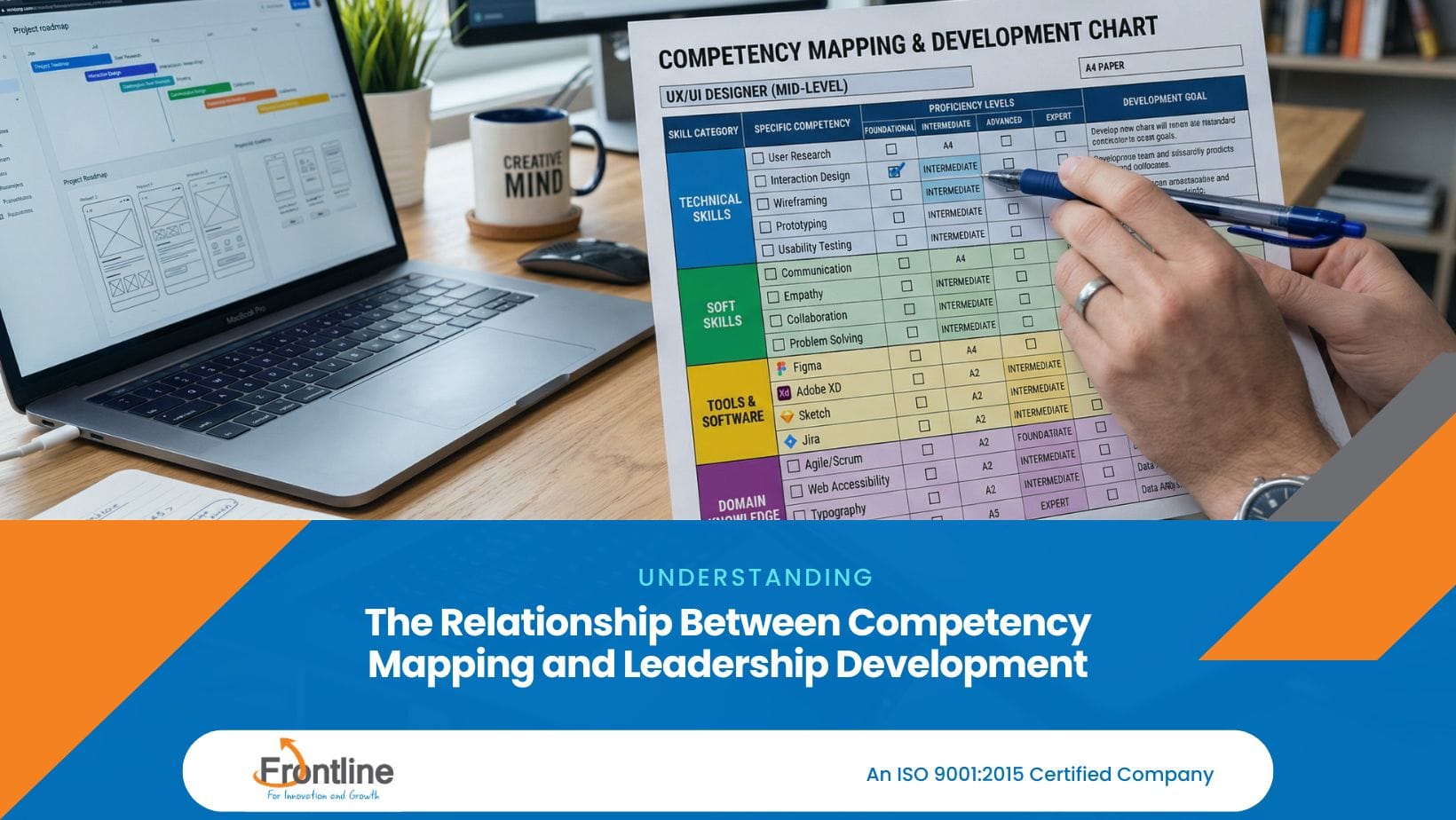
Competency mapping is the process of identifying the key skills, behaviors, knowledge, and attitudes required for a specific role or level within an organization. It moves beyond job descriptions and into the territory of what actually drives performance.
Dave Ulrich, one of the most respected voices in HR globally, has long argued that the role of HR is to build organizational capability. In his work on HR competencies, he emphasizes that knowing what “good” looks like in a role is the first step toward developing it. Competency mapping is essentially that process of defining “good.”
For leadership roles specifically, this becomes even more important. A frontline manager and a senior director may both be called “leaders,” but the competencies required at each level differ significantly. Mapping these clearly allows organizations to develop the right capabilities at the right time.
Why Leadership Development Needs a Competency Foundation
Leadership development programs often fail not because the training is poor, but because there is no clear picture of what is being developed. When organizations invest in leadership training without a competency framework, the result is often a collection of disconnected workshops with little lasting impact.
Morgan McCall, whose research on leadership development at the Center for Creative Leadership remains widely cited, found that leaders develop most effectively when they are placed in experiences that stretch specific capabilities. His work reinforces the idea that development must be targeted. You cannot target what you have not defined.
Competency mapping gives leadership development a direction. It answers the question: what does this person need to be better at, and why does that matter for the organization?
How the Two Are Connected
The relationship between competency mapping and leadership development is not one-directional. They feed each other in a continuous cycle.
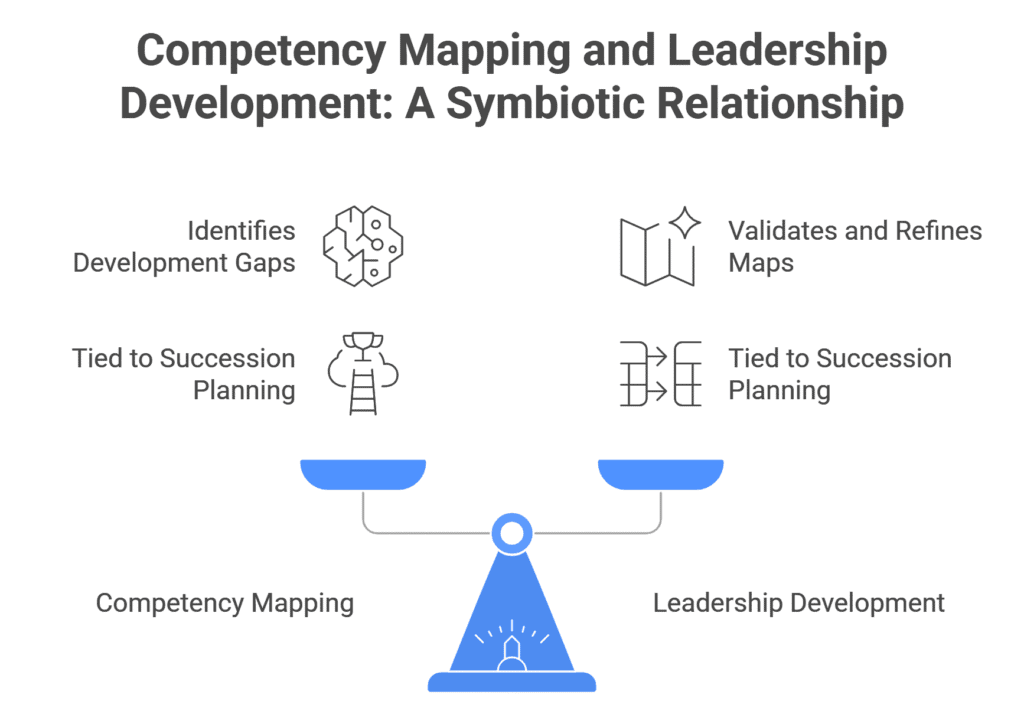
1. Competency maps reveal development gaps
Once competencies are defined for a leadership role, we can assess where current leaders or high-potential employees stand in relation to those competencies. This gap analysis becomes the foundation for a personalized development plan. Without it, development is generic. With it, development is precise.
2. Leadership development validates and refines competency maps
As leaders go through development journeys, we learn more about what competencies truly matter in practice. A competency that looked important on paper may prove less critical in reality, while another may emerge as more valuable than expected. Good organizations treat their competency frameworks as living documents, updated by real leadership experience.
3. Both are tied to succession planning
One of the most practical applications of this relationship is succession planning. By mapping the competencies required for senior leadership roles and assessing internal talent against those competencies, organizations can identify who is ready now, who will be ready in one to two years, and who needs longer-term investment. This is not guesswork. It is structured, evidence-based planning.
What the Research Tells Us
The Corporate Leadership Council has found that organizations with clearly defined leadership competencies are significantly more effective at developing internal talent pipelines. When leaders understand what is expected of them in behavioral terms, not just output terms, they are better positioned to grow.
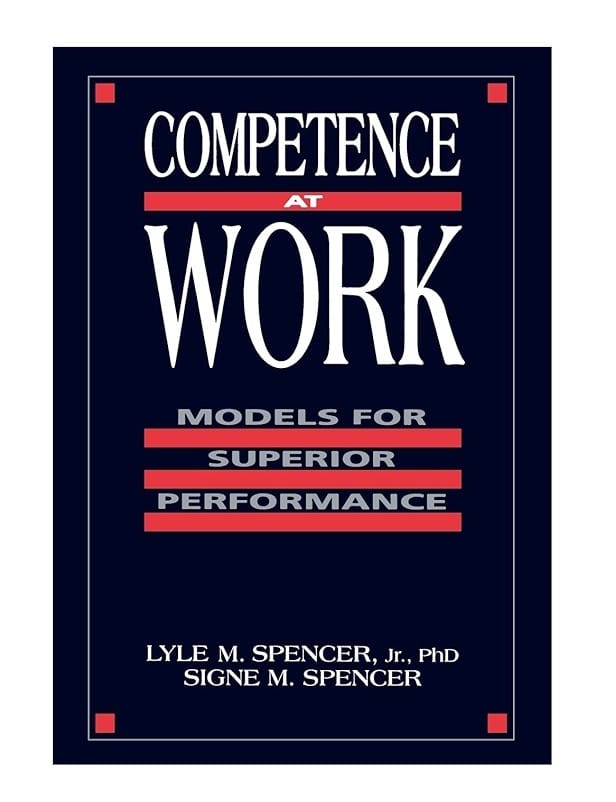
Spencer and Spencer, in their landmark book Competence at Work, drew a distinction between threshold competencies (the minimum required to do a job) and differentiating competencies (those that separate average performers from outstanding ones). For leadership development, this distinction is critical. We should not only develop leaders to meet the threshold. We should develop them toward the differentiators.
Practical Steps for Organizations
Here is how organizations can bring this connection to life in a practical way.
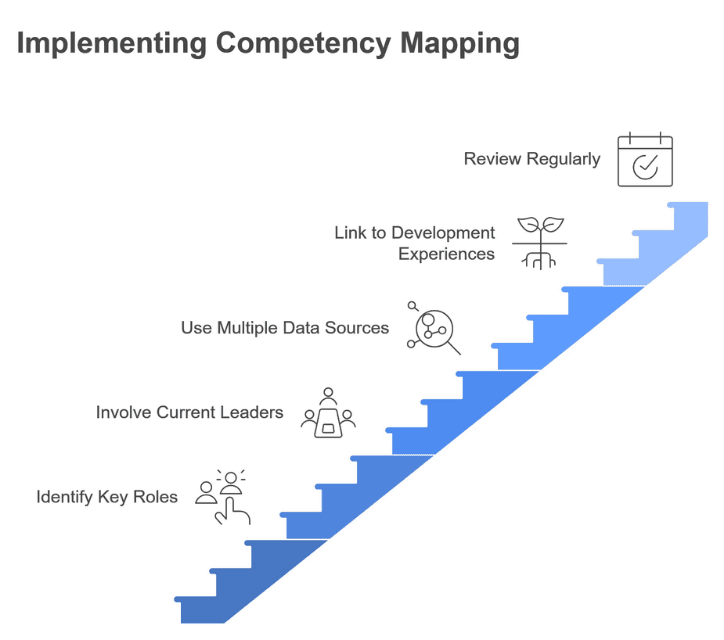
Start with the leadership roles that matter most. Not every role needs a full competency map immediately. Begin with the roles that have the most impact on organizational performance, typically mid-to-senior leadership positions.
Involve current leaders in defining competencies. The people who are already performing well in a role carry valuable insight into what it actually takes to succeed. Involve them in the mapping process. As Liz Wiseman, author of Multipliers, often points out, the best organizations amplify the intelligence already present in the room.
Use multiple data sources for assessment. A 360-degree feedback tool, structured interviews, and performance data together give a richer picture of where a leader stands against a competency framework than any single source alone.
Link competencies to real development experiences. The 70-20-10 model, popularized by the Center for Creative Leadership, suggests that 70 percent of leadership development happens through on-the-job experiences, 20 percent through relationships and feedback, and only 10 percent through formal training. Competency mapping helps us design those experiences intentionally, rather than leaving development to chance.
Review the framework regularly. Business contexts change. The competencies required of leaders in a rapidly growing organization may differ from those needed during a period of consolidation. Keep the framework alive and relevant.
The Nepali Context
In Nepal, many organizations are now recognizing the importance of structured leadership pipelines. As businesses grow and the demand for capable middle and senior managers increases, the gap between available talent and organizational need becomes more visible.
Competency mapping is not a concept reserved for multinational corporations. Even a mid-sized business in Kathmandu can benefit from clearly defining what it needs from its managers and building development plans accordingly. The investment is not in expensive tools or consultants alone. It is in clarity, and clarity is available to every organization willing to think carefully about what good leadership looks like in their specific context.
Bringing It All Together
Competency mapping and leadership development are not two separate HR activities. They are two sides of the same coin. One defines the destination, and the other charts the path to get there.
When we build a competency framework grounded in the real demands of leadership in our organization, and when we use that framework to guide how we identify, assess, and develop our leaders, we create something valuable: a system that grows leadership capability in a consistent, purposeful, and measurable way.
As Dave Ulrich has noted throughout his career, HR’s greatest contribution is not in processes but in outcomes. The outcome we are working toward here is a stronger, more capable leadership bench, built not on hope but on a clear understanding of what leadership requires and a deliberate effort to develop it.
238 views